TheBrandIdentity
THE REALITY OF POSTPARTUM & MATERNAL SUPPORT IN UNDERSERVED COMMUNITY
15 July / 7 min.
Introduction
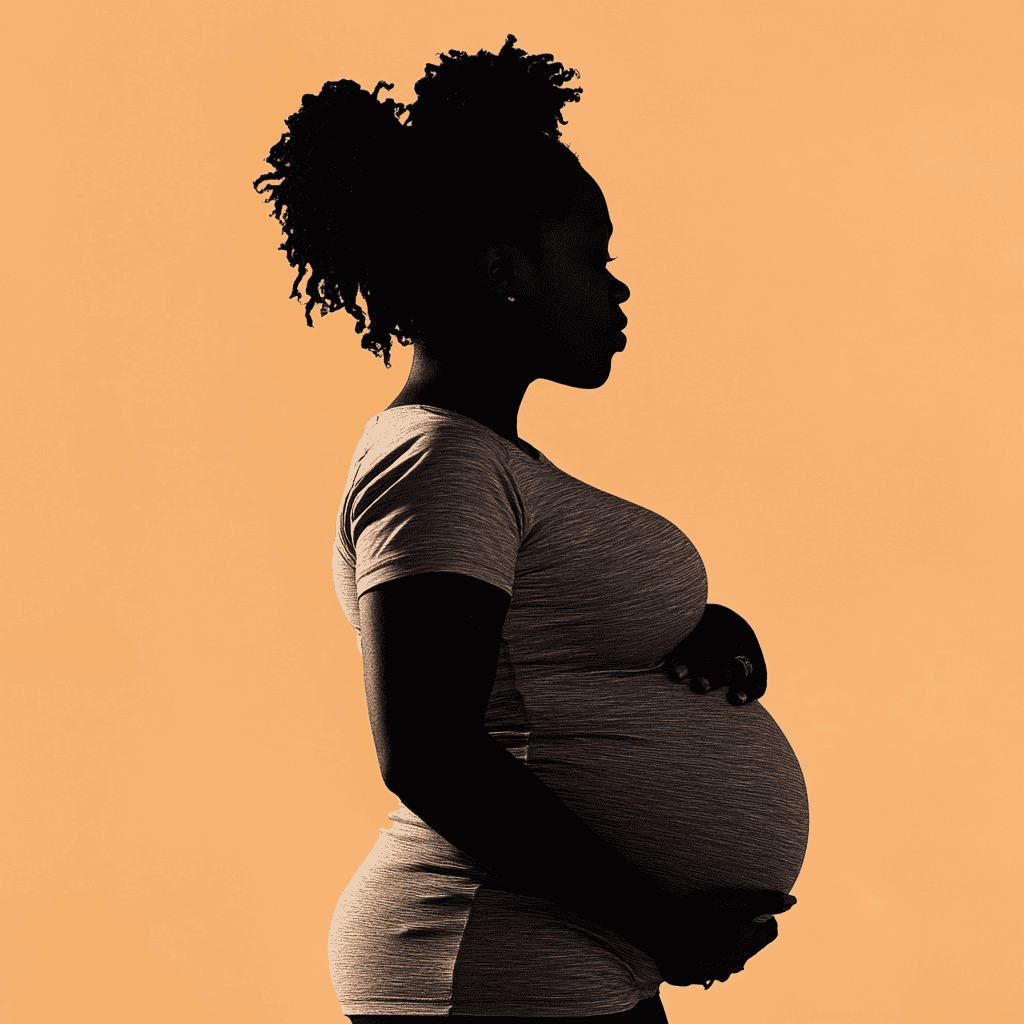
Postpartum recovery is a critical phase in maternal health, yet it remains one of the most overlooked aspects of healthcare, particularly in underserved communities. The period following childbirth involves physical healing, mental health adjustments, and the transition into parenthood. However, for many low-income, minority, and rural mothers, access to adequate postpartum care is hindered by financial, geographical, and systemic barriers.
In the United States, maternal mortality rates remain alarmingly high compared to other developed nations, with significant racial and socioeconomic disparities. Black mothers are three times more likely to die from pregnancy-related complications than white mothers, and low-income families often face challenges in obtaining essential postpartum services such as mental health support, lactation consulting, and home visits.
This article explores the realities of postpartum care in underserved communities, the barriers to maternal support, and innovative strategies that can drive systemic change.
Understanding the Postpartum Period
The postpartum period, typically defined as the first six weeks after childbirth, is a crucial time for both the mother and infant. Key aspects of postpartum recovery include:
Physical Healing: Recovery from vaginal birth or C-section, hormonal shifts, and complications such as infections or postpartum hemorrhage.
Mental Health Challenges: Postpartum depression (PPD) affects 1 in 7 mothers, yet access to mental health care is limited in many communities.
Infant Care: Breastfeeding, sleep deprivation, and adjusting to new responsibilities add to the stress of postpartum recovery.
While some families have access to extensive postpartum care, many face systemic barriers that make this period even more challenging.
Barriers to Postpartum Care in Underserved Communities
1. Limited Medical Follow-Up
The standard healthcare model provides one postpartum check-up at six weeks, leaving many mothers without adequate follow-up care.
High patient-to-provider ratios in public healthcare facilities limit personalized maternal support.
Many low-income and uninsured mothers struggle to access medical care beyond childbirth due to high costs and transportation issues.
2. Mental Health & Postpartum Depression (PPD)
PPD and anxiety are frequently underdiagnosed in underserved populations due to stigma, lack of screening, and cultural barriers.
Fear of being perceived as an unfit mother discourages many women from seeking help.
A shortage of mental health professionals trained in maternal care exacerbates the crisis.
3. Financial Barriers & Lack of Paid Parental Leave
Many insurance plans do not cover crucial postpartum services such as lactation consultations or therapy.
The lack of federally mandated paid parental leave forces mothers to return to work prematurely, often leading to long-term health consequences.
Childcare costs are prohibitive, adding to the financial strain on new parents.
4. Social Isolation & Lack of Support Networks
Many new mothers lack family or community support, leading to social isolation and increased mental health risks.
Immigrant and minority mothers often face language barriers and cultural disconnects when accessing healthcare services.
Support groups and postpartum doulas, which provide crucial emotional and physical support, are often unavailable or unaffordable.
Reginald Simpson, Partner