01
Map the route
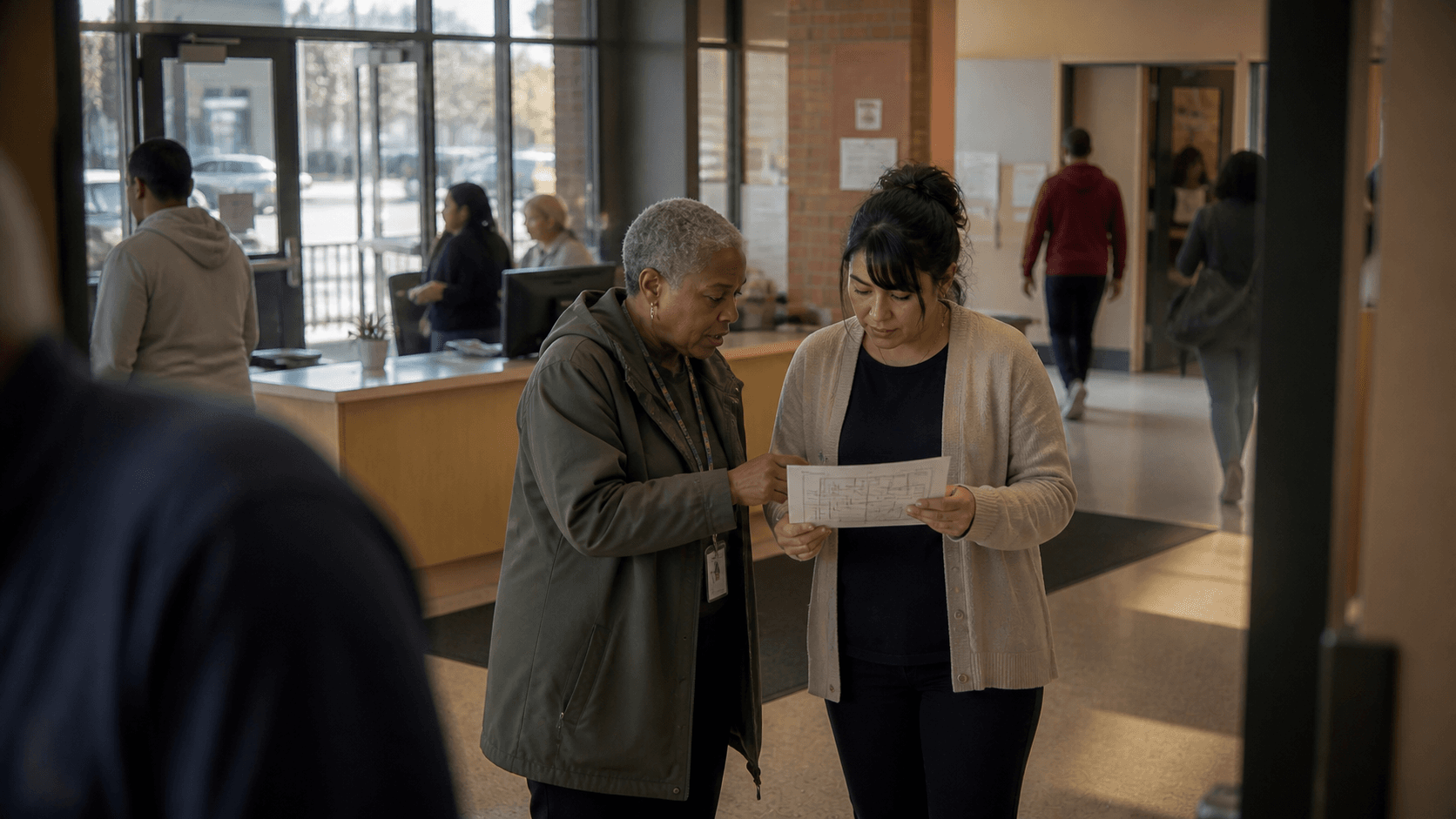
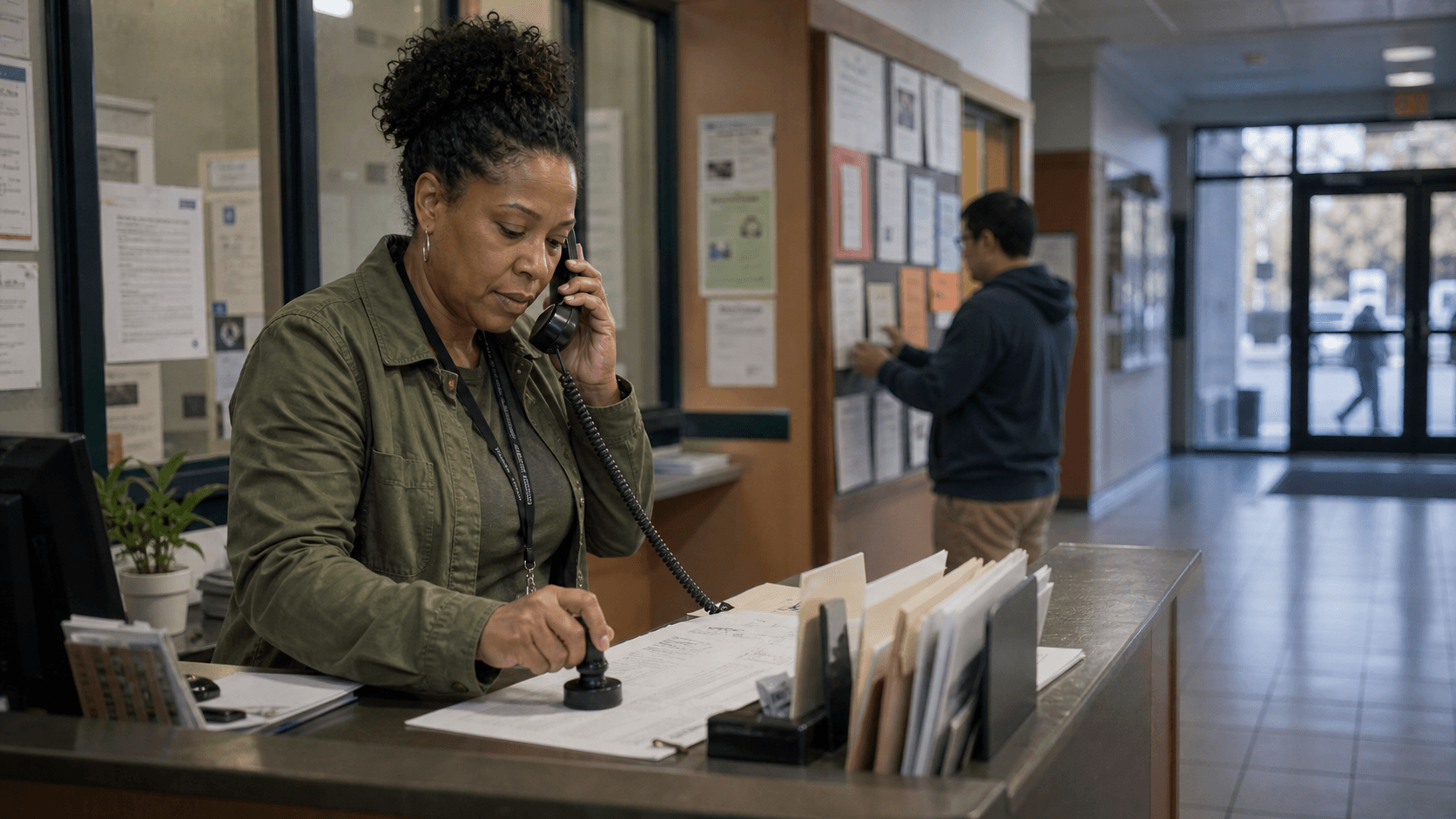
We document how someone actually reaches a service: where they start, what they need, which organizations become involved, what happens next, and where the process breaks.

CivikStack builds the public infrastructure that makes services easier to find, reach, and coordinate.
We map how services actually work, verify the routes between organizations, keep those routes current, and build tools that help people move through them without guessing.
RouteVerifyMaintainCoordinateReach
What is missing
Services exist. The route between them often does not.
A family may need a school, a health provider, a nonprofit, and a public agency to solve one problem.
Each institution can do its job correctly and the person can still get lost between them.
A route between agencies is infrastructure, as real as a road or a water line. The missing infrastructure is the route between services.
CivikStack makes that route visible, verifiable, and maintainable.
01
Map the route. Verify it. Keep it true. Put it to work. Learn from what happens.
Five steps
Each step hands its result to the next. The last one feeds the first.
Policy, procedure, frontline practice, and lived experience each tell a different part of the story. The system works by bringing those forms of knowledge together and letting what actually happens correct the record.
02
From field knowledge to public infrastructure, and back again.
The layers
What the Lab finds becomes a record. The record becomes something people can use.
Access Reliability Lab
Where residents, frontline staff, administrators, and policy knowledge reconstruct how a service actually works.
Verified RoutePacks
Structured records of the real route: requirements, decisions, coordination points, owners, evidence, and failure points.
CivikAccess
The public-facing coordination layer that helps people understand where to go and what happens next.
Continuity infrastructure
Standards, accountability tools, local intelligence, and stewardship that keep routes usable over time.
Real outcomes
Did the person actually reach the help they needed? That result goes back into the system.
The result goes back into the system.
The standard underneath
A directory can tell you that a service exists. A dependable route is current, traceable, actionable, accountable, and supported by evidence.
CivikStack develops open standards for describing, verifying, maintaining, and improving those routes, so communities can share infrastructure while keeping local control.
Explore the standardsThe tools
Put the route to work.
Verified routes become usable infrastructure. The tools below are the layers that read the record: access, accountability, intelligence, and method.
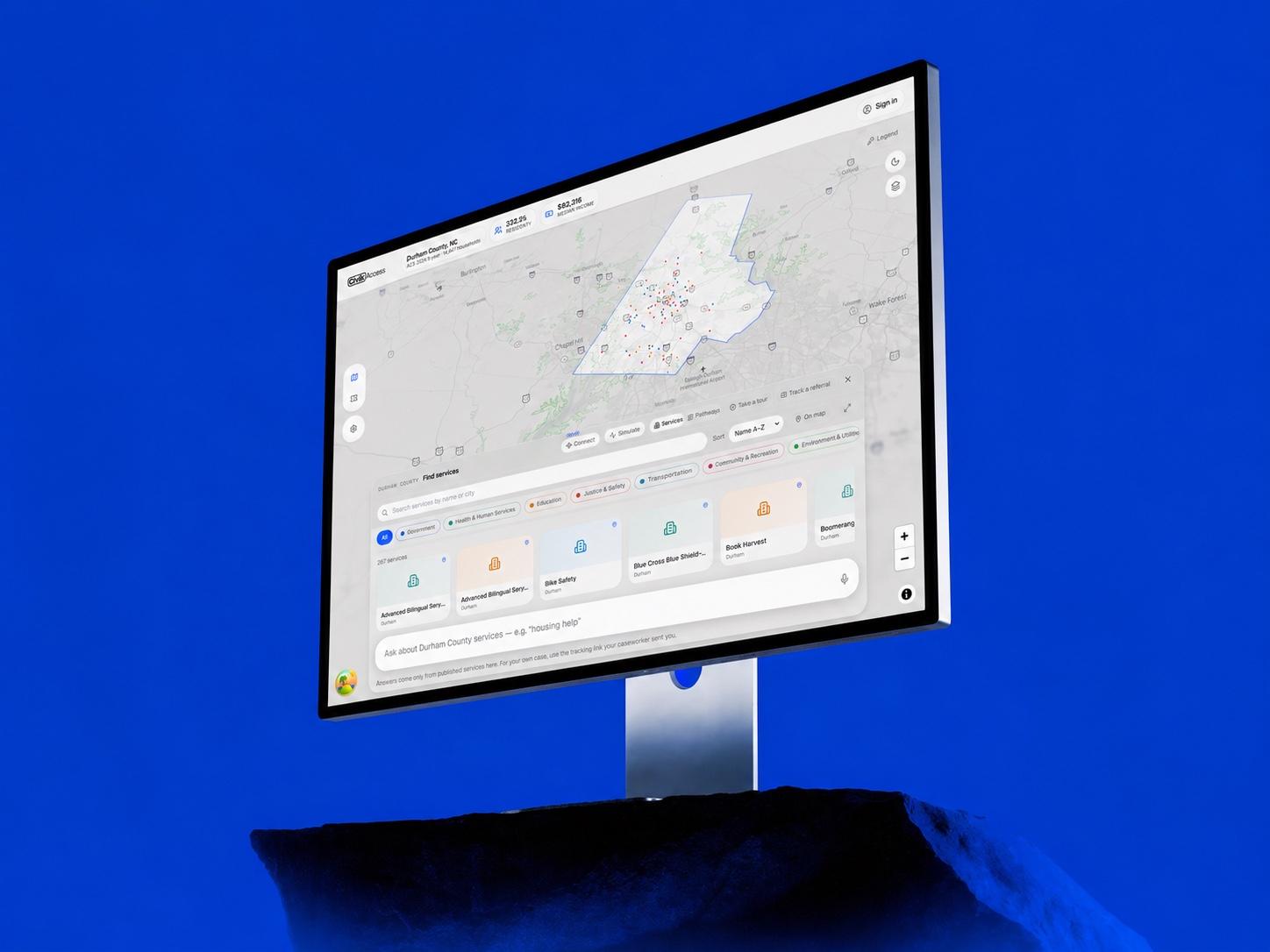
The public-facing coordination layer
CivikAccess puts verified routes into practice: it helps people understand where to go and what happens next, and gives organizations shared infrastructure for coordinating how people move between services. Currently in private beta.

03
Tested in the real world, at one table, on one real service.
The Lab
The Durham Access Reliability Lab is where the work begins.
Residents, frontline staff, administrators, and people responsible for policy sit at the same table and reconstruct one real service route.
They identify where the written system and the experienced system differ. What the Lab finds becomes verified public knowledge, and eventually better infrastructure.
One measure matters
Finding a program is not the outcome.
Receiving a referral is not the outcome.
Completing an application is not necessarily the outcome.
The route has worked when the help actually shows up.
Join the ecosystem
Build the infrastructure with us.
CivikStack is creating shared infrastructure that every community can build on, with local control kept where it belongs. Maintaining it takes a set of roles, and each one has a natural holder.
And residents help determine whether the route works at all.
Partner with CivikStackCivikStack Foundation
Public infrastructure for reliable access to services.
RouteVerifyMaintainCoordinateReach